Reimagining the Material Lifecycle through Multi-Channel Flow
Strategic Advancement of Content Circulation in 2026
The methods utilized to disperse digital product have actually gone through a significant shift in 2026. Static publishing on a single platform no longer meets the requirements of a fragmented audience. Rather, brands now count on multi-channel syndication that prioritizes social combination to ensure visibility across varied networks. This technique includes moving content through numerous nodes where neighborhoods currently collect, instead of anticipating those neighborhoods to visit a main source. The shift has been driven by the increase of decentralized procedures and the increasing sophistication of automated curation tools.
In 2026, the success of a circulation plan depends on how well it adapts to different social contexts. Each platform possesses its own set of rules and user behaviors. A video that carries out well on a short-form visual website may require substantial adjustment before it resonates on an expert text-based network. Reliable syndication includes more than just duplicating files. It needs a deep understanding of how different groups interact with info. Lots of companies are discovering that competence in Asia Virtual Solutions Volume provides the required structure for handling these intricate interactions across multiple touchpoints.
The existing year has seen a relocation away from centralized control towards a more dispersed model. Procedures like ActivityPub and the AT Protocol have actually ended up being standard, permitting material to stream between different apps and services without being locked into a single "walled garden." This modification suggests that syndication must be technically compatible with numerous standards. It also means that social signals, such as shares and comments from reliable users, bring more weight in identifying what appears in an individual's feed than conventional search engine optimization when did.
Integration of Social Signals and Algorithmic Discovery
Algorithms in 2026 have ended up being much more conscious social context. They do not simply search for keywords or metadata. Rather, they evaluate how a piece of material is gotten within particular niche communities. If a technical short article is shared and gone over by reputable designers on a decentralized online forum, that activity signals to other platforms that the material is valuable. This "social recognition" acts as a catalyst for larger distribution. Due to the fact that of this, syndication techniques now consist of a heavy emphasis on structure relationships with neighborhood leaders and active individuals who can spark these initial signals.
Automation plays a massive role in managing this at scale. AI-driven representatives now deal with the tiresome parts of syndication, such as resizing images, creating platform-specific captions, and timing the release of posts based upon when specific audiences are most active. However, these tools are guided by human strategy. The focus is on creating an existence that feels authentic rather than mechanical. For instance, in the local market, businesses utilize these tools to guarantee their updates reach locals through regional social clusters, tailoring the message to reflect regional interests and events without losing the core brand name identity.
This localized method is particularly reliable for service-based industries. When a company provides a particular service in the surrounding area, its syndicated content requires to reflect that geographical relevance. By incorporating local social information into the distribution mix, organizations can ensure that their message is seen by the individuals more than likely to require their aid. This accuracy decreases waste and enhances the quality of the leads produced through social channels.
Social network as the Primary Discovery Engine
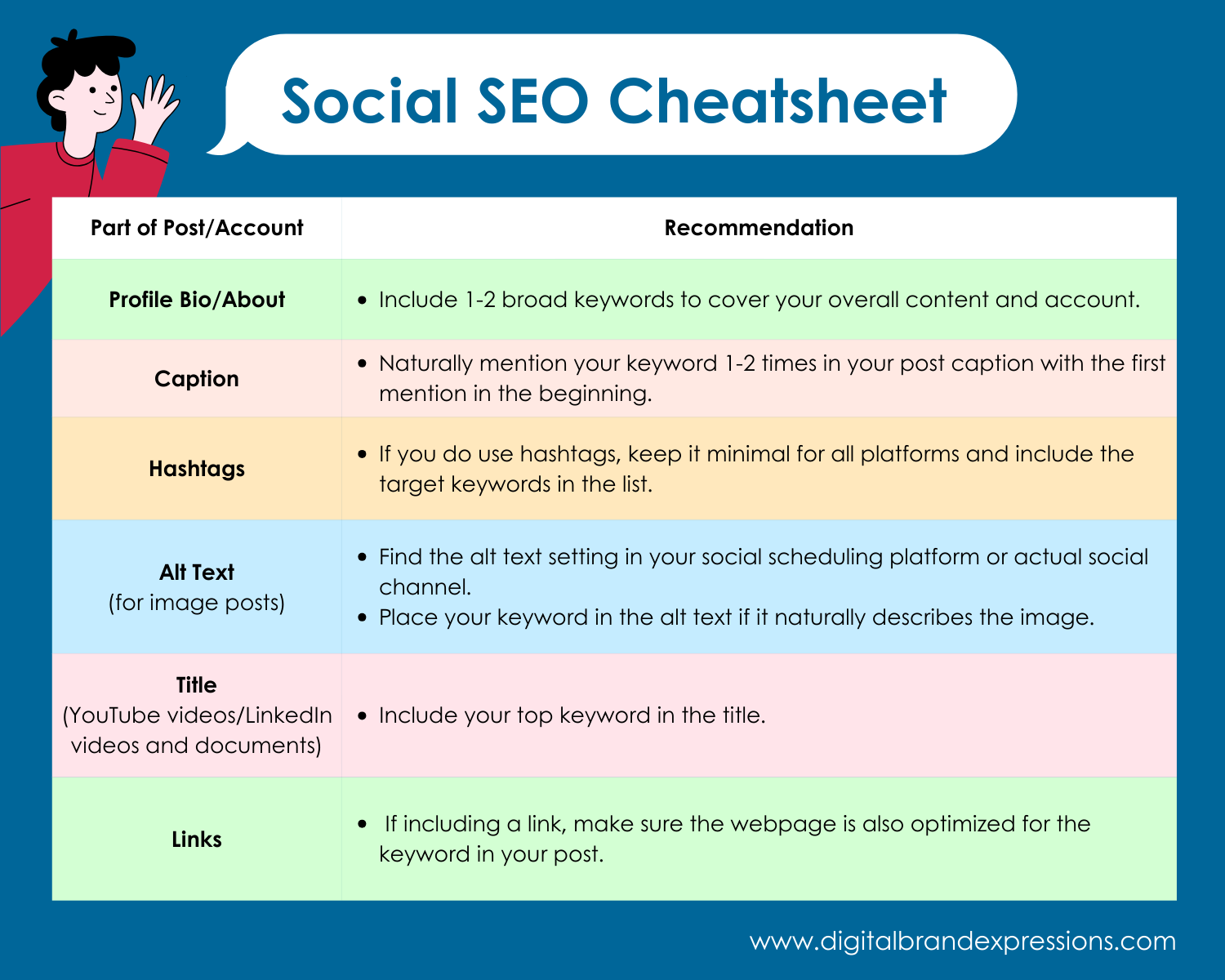
By 2026, social media has actually largely replaced standard online search engine for lots of kinds of details discovery. More youthful demographics, in particular, use social feeds to find news, products, and services. Syndication strategies have adjusted by dealing with every social post as a searchable entry point. This needs a high level of consistency across all channels. If a user discovers a piece of material on one platform, the brand's existence on another platform must feel like a logical extension of that experience.
Keeping this consistency while managing numerous accounts is a substantial challenge. Lots of business depend on specialized teams to supervise Asia Virtual Solutions Volume to keep their messaging lined up. Without this oversight, the brand name voice can end up being diluted as material is spread across too many diverse channels. The objective is to develop a unified existence that adapts to the medium without losing its core message. This is frequently accomplished through a "center and spoke" design, where a central piece of long-form material is broken down into lots of smaller, social-ready possessions dispersed over numerous weeks.
Performance tracking has likewise changed. In the past, marketers took a look at vanity metrics like fan counts. In 2026, the focus is on "depth of engagement." This consists of metrics such as the length of time a user invests with a piece of content, the number of significant comments it produces, and how frequently it is re-shared into personal groups or direct messages. These personal shares, often referred to as "dark social," are now acknowledged as one of the most powerful drivers of conversion. Syndication strategies are particularly created to encourage this kind of peer-to-peer sharing.
Adapting Content for Decentralized Networks
The rise of the "Fediverse" and other decentralized choices has required a modification in how material is formatted. These platforms typically lack the heavy marketing and algorithmic adjustment discovered on older social sites. Users here value personal privacy and direct communication. Syndicating content to these areas needs a softer touch. Rather of broadcast-style marketing, the focus is on beginning discussions. For an organization operating in the regional area, this might imply taking part in local server conversations rather than simply posting links to a website.
Technical combination is another hurdle. Material management systems in 2026 are frequently "headless," implying they store content in a neutral format that can be pressed to any gadget or platform through an API. This permits smooth distribution to new and emerging social apps without requiring to reconstruct the material from scratch each time. This versatility is vital for digital outreach since it permits brands to move rapidly when a new platform starts acquiring traction amongst their target audience.
- Material must be modular to fit different screen sizes and interaction designs.
- Metadata must be abundant and detailed to assist AI representatives categorize the material.
- Visual components need to be enhanced for both high-speed and low-bandwidth connections.
- Engagement strategies should focus on reacting to comments within the first hour of publishing.
The Impact of Community-Led Syndication
Among the most effective techniques in 2026 is community-led syndication. This takes place when a brand name's most loyal followers take it upon themselves to share material within their own networks. This is much more effective than any paid circulation because it features a built-in level of trust. To motivate this, brands are developing "shareable minutes" within their long-form material. This may be an intriguing quote, a helpful chart, or a short video clip that is simple to grab and repost.
In a lot of cases, the brand itself serves as a curator. By sharing content from their followers and market peers, they build a sense of community that motivates others to reciprocate. This circular syndication design helps everyone included reach a larger audience. For companies concentrated on professional solutions in the local community, this collaborative method develops local authority and reinforces ties with other businesses and locals.
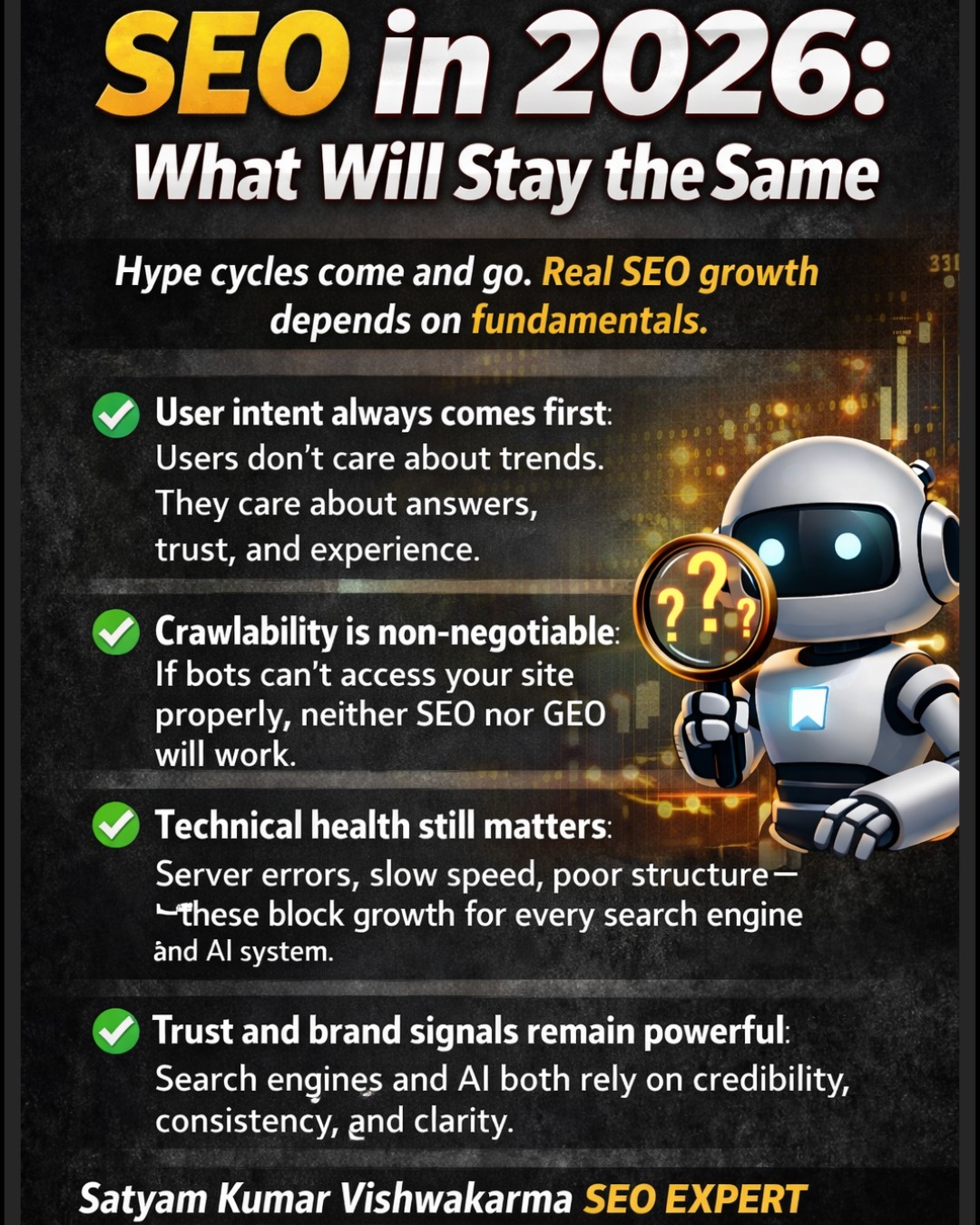
Method in 2026 is less about screaming from the rooftops and more about joining the best conversations. The brands that are successful are those that view social combination not as a technical task, but as a social one. They use information to learn where their audience is, and then they supply worth in a way that feels natural to that specific environment. This needs a long-term dedication to building an online presence that is both practical and accessible.
Future Outlook for Distribution Models
As we look towards completion of 2026 and beyond, the pattern toward decentralization and AI curation reveals no signs of slowing down. Content will likely become much more customized, with circulation systems providing particular versions of a post or video to individuals based upon their past habits and current interests. This will make multi-channel syndication even more complex, needing a lot more advanced tools and strategies to handle successfully.
Security and personal privacy will also stay top concerns. As material is distributed across more channels, the danger of false information or brand impersonation boosts. Organizations will require to use digital signatures and other verification techniques to show that their syndicated content is authentic. This level of trust will be the currency of the future in a crowded digital world. By focusing on quality, credibility, and community combination, brand names can ensure that their message is not just seen but likewise heard and acted upon in a progressively loud environment.
The role of location in digital circulation remains remarkably pertinent. Even in a globalized world, individuals still care about what is occurring in their own backyard. By combining a global syndication strategy with a regional focus in the area, services can take pleasure in the finest of both worlds. They can reach a huge audience while still keeping the individual touch that develops lasting consumer relationships. The secret is to stay flexible and always be ready to adjust to the next modification in the social landscape.