Orchestrating Complex Syndication Workflows for Maximum ROI
The Shift in Browse Algorithms Heading into 2026
The relationship between social media activity and search engine optimization has moved beyond mere speculation. In 2026, the lines separating these two fields have blurred to the point where one can barely exist without the other. Online search engine have actually spent years refining how they translate social information, moving far from basic link counting to a more nuanced understanding of brand name authority and user intent. This modification suggests that a post on a social feed is no longer simply a momentary blip of attention. Instead, it works as a relentless signal of importance and trust that browse crawlers get almost instantly.Search engines now prioritize real-time data more than ever. When a topic patterns on social platforms, search results page frequently show that urgency within seconds. This instant indexing has altered the method content developers approach their work. It is no longer sufficient to publish a page and wait on a crawl. Content needs to be pushed through social channels to trigger the initial interest that search bots now utilize as a hint for quality. The speed of details in 2026 suggests that social signals act as a primary discovery mechanism for brand-new URLs, effectively functioning as a fast-track for indexing in competitive niches.
How Social Engagement Validates Material in local markets
Regional search has seen a huge increase of social combination over the last 2 years. For companies running in specific urban areas, the regional social buzz is a significant consider how they appear in map packs and localized search results page. Search engines look at check-ins, local mentions, and geo-tagged photos to verify that a business is active and offering value to its neighborhood. This localized information provides a layer of confirmation that standard backlinks often lack. It shows that genuine individuals in a particular physical location are connecting with the brand.Establishing this regional authority needs a method that blends geographical relevance with social proof. When residents in the surrounding region share material related to a local service, it creates a cluster of information points that online search engine utilize to verify business's area and service area. This is especially effective for local business offerings where trust and distance are the most important aspects for the consumer. The algorithm treats these social interactions as a kind of digital word-of-mouth that is much more difficult to manipulate than old-school SEO strategies.
Building Authority Through Consistent Social Signals
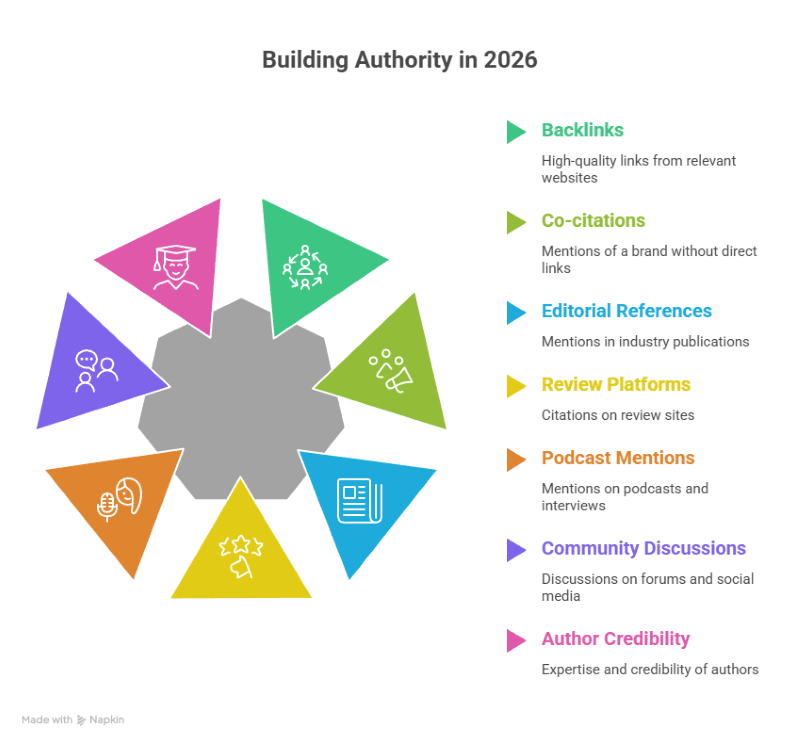
Authority is not something that happens over night. It is constructed through a constant stream of interactions that prove a brand name understands its topic. In the current 2026 environment, online search engine assess the "entity" of a brand across the whole web. This consists of how the brand name talks to its audience on social networks and how that audience responds. High engagement rates-- likes, remarks, and particularly shares-- are deemed votes of self-confidence. While these might not be direct ranking consider the method a link is, they affect the metrics that do matter, such as click-through rates and time invested on a page.Digital growth typically starts with top quality Asia Virtual Solutions Strategies that engages the target market. When users discover value in a social post and after that click through to a website, they are likely to stay longer due to the fact that the social context has actually already primed them for the material. This behavior informs search engines that the site is a top quality location. In time, this cycle of social discovery and onsite engagement enhances the domain's general authority, making it much easier for new material to rank without needing countless standard links.
The Technical Side of Social and Browse Integration
The technical bridge between a social profile and a website is stronger than it was simply a few years earlier. In 2026, structured data and schema markup are used to explicitly tell search engines which social profiles come from which site. This helps in constructing a clear brand entity in the Understanding Chart. When an online search engine can with confidence link a popular social account to a specific domain, the authority of the social account begins to bleed over into the search rankings.Metadata also plays a substantial function in this integration. Utilizing Open Graph tags and Twitter cards guarantees that when material is shared, it looks professional and encourages clicks. This is not almost aesthetics. It has to do with controlling how a brand exists in various environments. If a link shared from a site looks damaged or lacks a clear description, it will not get the engagement needed to send out those positive signals back to the online search engine. Success in competitive markets requires a concentrate on Asia Virtual Solutions Strategies as part of a more comprehensive visibility strategy. By guaranteeing the technical structure is solid, a brand can take full advantage of the impact of every share and like it gets.
Social Discovery vs. Traditional Search Intent
The way people discover information has actually branched off. While lots of still start with a search box, a growing variety of users in 2026 use social media search bars as their primary tool for discovery. This is particularly real for visual services or items where seeing the result is more essential than checking out it. Browse engines have adapted by consisting of social media posts, videos, and images straight in the standard search results pages. This suggests a well-optimized social post can outrank a standard post for certain keywords.Understanding user intent in this context is important. Someone browsing on social media may be trying to find motivation or a quick answer, whereas somebody on a search engine may be searching for a deep dive or a purchase. A clever method addresses both. By producing material that works well in a social feed-- short, punchy, and visual-- while also providing a detailed version on the primary website, a brand name can catch traffic from both sources. This dual-threat technique ensures that the brand exists any place the user selects to begin their search.
The Impact of Social Network on Content Longevity
Among the most significant difficulties in digital marketing is the short life-span of material. A post can be buried in hours, and an article can be forgotten in weeks. The intersection of social and SEO assists resolve this. Social media supplies a way to recirculate older material, bringing it back to the attention of both users and search engines. When an old article gets a fresh wave of shares, search engines frequently take notice and might re-evaluate the page's ranking based upon its renewed relevance.This "2nd life" for content is a key part of preserving a strong online presence in 2026. Instead of continuously producing new material, successful techniques involve updating and resharing existing assets. This strengthens the authority of those pages. When a page has a history of constant social engagement over numerous years, it ends up being a pillar of the site's SEO strategy. It reveals that the info is not just a pattern but a valuable resource that continues to help people long after its preliminary publication date.
Determining Success in a Unified Digital Method
Tracking the success of social-SEO combination requires taking a look at information from multiple angles. It is no longer adequate to track keyword rankings in seclusion. Marketers now take a look at "social share of voice" and "brand points out" alongside standard metrics like natural traffic and bounce rate. These metrics supply a more total image of how a brand is perceived in the market. If brand searches increase after a significant social campaign, that is a clear indication that the social technique is driving search behavior.Data in 2026 also allows for better attribution. We can now see the path a user draws from seeing a social post to carrying out a search and lastly making a conversion. This path often includes multiple touchpoints across different platforms. By evaluating this journey, businesses can see exactly how their social efforts are supporting their search goals. It typically turns out that social networks is the "help" that makes the final search conversion possible.
Future-Proofing Your Authority for the Late 2020s
As we look towards the end of the decade, the combination between social and search will just deepen. Expert system is already being used to evaluate the sentiment of social comments and use that as a ranking signal. Brand names that resemble and respected on social media will have a natural advantage in search results page. The focus is shifting far from technical techniques and toward authentic human connection.To stay ahead, the technique must stay versatile. What deal with one social platform today may alter by next year, however the core concept stays the exact same: offer value and encourage engagement. By dealing with social networks as an extension of the site's authority, instead of a different silo, a brand name can create a durable digital presence. This unified method is the only method to navigate the intricacies of the 2026 search environment and beyond, ensuring that the brand name stays noticeable, reputable, and authoritative in a progressively congested online world.
The Role of Video and Visual Media in Authority Structure
Video material has actually ended up being the dominant force on social media, and its influence on SEO is indisputable. In 2026, online search engine are highly skilled at "reading" video content, determining essential minutes, and even transcribing audio to comprehend the context. A video that performs well on social platforms is often rewarded with a prominent area in search results. This is due to the fact that video is a high-signal medium-- it needs more effort to produce and usually suggests a higher level of authority and financial investment in the topic.For those focusing on specialized industry knowledge, video supplies a method to show proficiency that text can not match. Seeing a person discuss a complex topic or reveal a process in real-time constructs a level of trust that is vital for conversion. When these videos are shared, they create powerful social signals that tell search engines the material deserves promoting. Incorporating video into both social and search methods is no longer optional; it is a requirement for anybody seeking to maintain an one-upmanship in 2026.
Final Thoughts on Integrated Technique
The crossway of social networks and SEO is where the most effective digital marketing takes place today. It is a space where creativity satisfies information, and where brand name character meets technical precision. By focusing on how these 2 worlds affect each other, a brand name can develop an authority that is both broad and deep. This doesn't simply mean more traffic; it implies better traffic-- users who already rely on the brand because they have seen it flourish in their social circles and in their search results page. Keeping this balance is the essential to long-term success in the digital age.