Developing a Sustainable Link Environment by means of Viral Content Hooks
Modern Link Building Trends in 2026
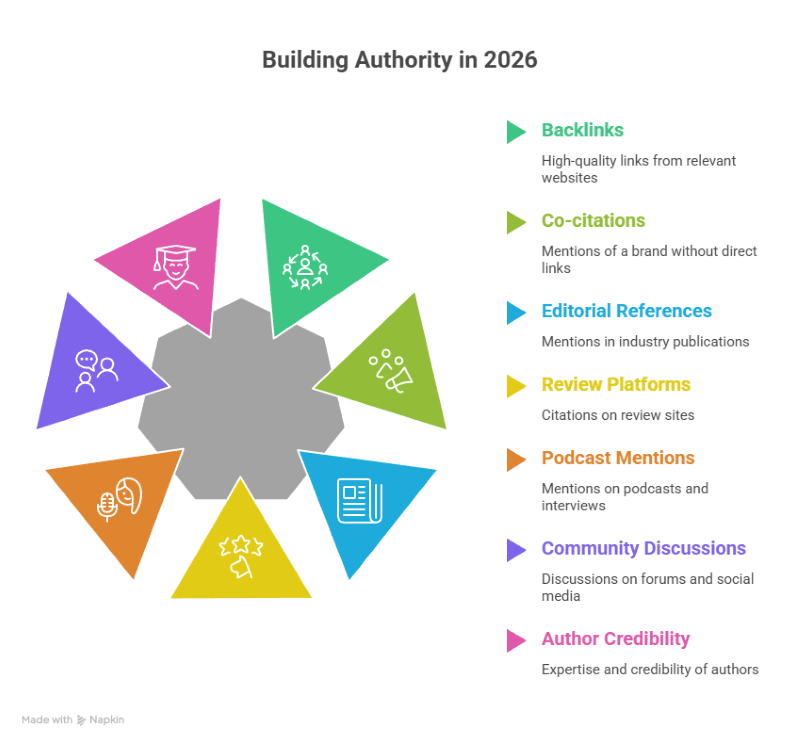
Success in search rankings no longer depends on static directory site entries or concealed forum signatures. In 2026, the most efficient backlink profiles are those that appear organic through social integration. Online search engine have updated their algorithms to focus on links that originate from high-engagement social discussions. When a piece of content goes viral, the resulting spike in discusses develops a signal that traditional outreach can not duplicate. This shift has forced a modification in how digital possessions are developed and dispersed across the web.
Direct interaction in between social platforms and search indexing has actually tightened up substantially. Algorithms now track the "social velocity" of a URL before choosing its authority. This means a link from a specific niche social thread may bring more weight than an old-school editorial reference if the social thread reveals high user retention and active conversation. Digital specialists are moving away from manual email blasts and concentrating on developing possessions that require sharing. The focus is now on how a link works within a community rather than just where it sits on a page.
Social Signals and Authority Structure
Establishing a presence on decentralized networks has actually become a basic practice for those looking to construct authority. These platforms frequently provide more transparent information for search bots to crawl compared to the walled gardens of the past. Companies searching for Wikipedia Research frequently find that exposure depends on how well their material resonates with these decentralized neighborhoods. It is no longer about the quantity of links however the verified human activity behind them. Search engines have actually ended up being proficient at filtering out automated bot chatter, making authentic engagement better than ever.
The principle of competence and trust has actually shifted toward real-time recognition. In 2026, if a link appears on a high-traffic site but does not have social accompaniment, it is often flagged as suspicious or controlled. The objective is to produce a "link loop" where social shares cause editorial mentions, which then lead back to more social shares. This cycle creates a self-sufficient profile that grows without constant manual intervention. Monitoring this loop requires a different set of tools than those utilized for standard SEO, concentrating on belief and shareability metrics.
Interactive Assets as Link Bait
Static short articles and standard blog site posts have a hard time to bring in premium backlinks in the existing environment. Users in 2026 choose content they can manipulate, customize, or experience in 3D. When a tool or visualization supplies instant worth, users naturally connect to it from their individual profiles and professional blog sites. This kind of organic development is what search engines presently reward. It has to do with being a resource rather than simply a source of info. Extremely interactive information sets that upgrade in genuine time are especially efficient at remaining relevant.
Numerous digital online marketers argue that Wikipedia Bookmarking System Analysis uses the most trusted path to natural authority. By concentrating on high-intent topics that resolve specific issues, developers can guarantee their links remain pertinent long after the initial post. Relevance has ended up being the primary metric, superseding old domain metrics that dominated the previous years. A single link from a highly relevant, active social center can surpass dozens of links from unrelated high-authority news sites. This precision targeting is the hallmark of a modern-day technique.
AI representatives now play a significant role in how links are discovered and valued. These representatives scan social media for services to user inquiries, often bypassing traditional search engine result entirely. If a link is regularly mentioned as a valuable resource in social comments, AI representatives are more most likely to include it in their summed up actions. This secondary layer of discovery adds another factor to prioritize social-first content. Being the "source of reality" for an AI representative is a significant win for any backlink profile in 2026.
The Shift in Outreach Techniques
Outreach in 2026 is less about requesting a link and more about welcoming cooperation. Influencers and market leaders are more most likely to link to material that they helped shape or that offers them with distinct information for their own audiences. Crowdsourcing information for reports or asking for expert quotes develops a sense of ownership amongst those who have the most power to distribute the content. This collaborative technique guarantees that the resulting backlinks are embedded in authentic discussions rather than being tacked on as an afterthought.
Visual content, especially short-form video with ingrained metadata, has altered how authority is passed. Metadata enables search engines to associate links back to the initial source even when the video is shared across multiple platforms. This cross-platform tracking suggests that a viral video on a social app can directly improve the SEO of the linked domain. It is a more fluid way of thinking about links, where the "click" is simply one part of the attribution model.
Handling a Varied Profile
A healthy profile in 2026 consists of a mix of brand-focused and value-focused links. Brand-focused links originate from main mentions and press releases, while value-focused links originate from individuals using the site as a reference for their own work. Balancing these two types prevents the profile from looking over-optimized. Browse filters are now incredibly sensitive to patterns that recommend automated link structure, so preserving a natural, slightly unpleasant distribution of anchor text is useful.
Monitoring the health of these links requires consistent attention to social belief. If a link is shared mainly in an unfavorable context, its value might diminish and even cause a temporary ranking drop. Alternatively, links connected with favorable user experiences and helpfulness see a constant boost in their effect on rankings. The focus has actually moved from the technical back-end of the web to the user-facing front-end where reputation is constructed and damaged.
Timing stays a consider viral success. Releasing content throughout peak social activity hours for a particular market can trigger the initial wave of links required to strike the algorithm's trending limit. When that limit is reached, the process often becomes automatic as scrapers and news aggregators get the story. In 2026, the first few hours of a content release are the most important for its long-lasting backlink health. Planning for these windows needs an in-depth understanding of audience habits throughout different time zones.
The role of geographic significance can not be overlooked. Even for global brands, links that reveal a clear connection to the local market can offer a boost in local search outcomes. This local-to-global pipeline permits a brand to develop authority in particular locations before broadening their reach. It develops a more stable structure for a backlink profile, as it is rooted in specific, verifiable places and neighborhoods.
Modern link building is a marathon of consistency rather than a sprint of high-volume acquisition. It needs a deep understanding of where the target market hangs out and what kind of details they discover worth pointing out. By integrating social strategies with traditional SEO structures, it is possible to preserve a competitive edge in an increasingly automated and AI-driven search market. The web is more interconnected than ever, and a backlink profile needs to reflect that reality to be effective.