Creating Material Assets specifically for Viral Link Acquisition
The Shift in Browse Algorithms Heading into 2026
The relationship in between social media activity and seo has actually moved beyond simple speculation. In 2026, the lines separating these two fields have actually blurred to the point where one can barely exist without the other. Browse engines have actually spent years improving how they interpret social data, moving far from easy link counting to a more nuanced understanding of brand authority and user intent. This modification suggests that a post on a social feed is no longer simply a momentary blip of attention. Instead, it functions as a consistent signal of importance and trust that browse spiders get nearly instantly.Search engines now focus on real-time information especially. When a subject trends on social platforms, search results frequently show that seriousness within seconds. This immediate indexing has altered the way content developers approach their work. It is no longer adequate to publish a page and wait on a crawl. Material needs to be pushed through social channels to trigger the initial interest that search bots now utilize as a hint for quality. The speed of information in 2026 recommends that social signals function as a primary discovery system for new URLs, successfully functioning as a fast-track for indexing in competitive specific niches.
How Social Engagement Verifies Material in local markets
Regional search has actually seen a massive increase of social integration over the last two years. For companies operating in specific urban areas, the regional social buzz is a major aspect in how they appear in map packs and localized search results page. Browse engines look at check-ins, local mentions, and geo-tagged photos to confirm that a service is active and offering worth to its neighborhood. This localized information provides a layer of confirmation that traditional backlinks sometimes lack. It reveals that genuine people in a particular physical location are engaging with the brand.Establishing this regional authority requires a technique that mixes geographical relevance with social proof. When citizens in the surrounding region share material related to a local service, it produces a cluster of information points that browse engines use to verify business's area and service area. This is especially reliable for local business offerings where trust and proximity are the most essential elements for the customer. The algorithm treats these social interactions as a kind of digital word-of-mouth that is much more difficult to manipulate than old-school SEO tactics.
Building Authority Through Constant Social Signals
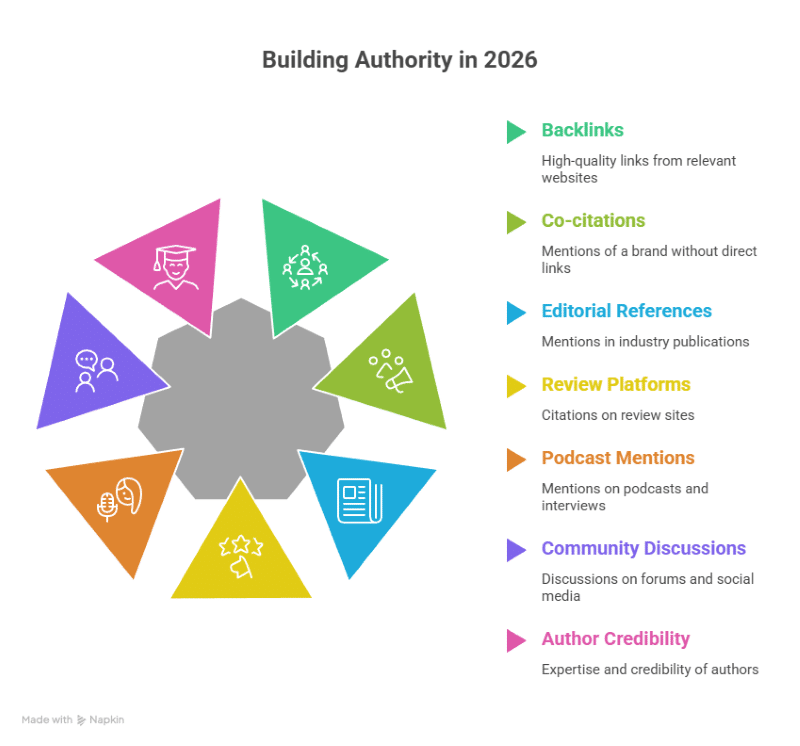
Authority is not something that occurs over night. It is constructed through a constant stream of interactions that show a brand name understands its subject. In the current 2026 environment, search engines examine the "entity" of a brand throughout the entire web. This consists of how the brand talk with its audience on social networks and how that audience responds. High engagement rates-- likes, remarks, and especially shares-- are considered as votes of self-confidence. While these might not be direct ranking factors in the method a link is, they affect the metrics that do matter, such as click-through rates and time invested in a page.Digital development frequently begins with top quality Wikipedia Research that engages the target market. When users find value in a social post and then click through to a website, they are likely to remain longer due to the fact that the social context has actually already primed them for the content. This behavior tells online search engine that the website is a premium location. Over time, this cycle of social discovery and onsite engagement reinforces the domain's total authority, making it simpler for brand-new material to rank without requiring countless conventional links.
The Technical Side of Social and Search Combination
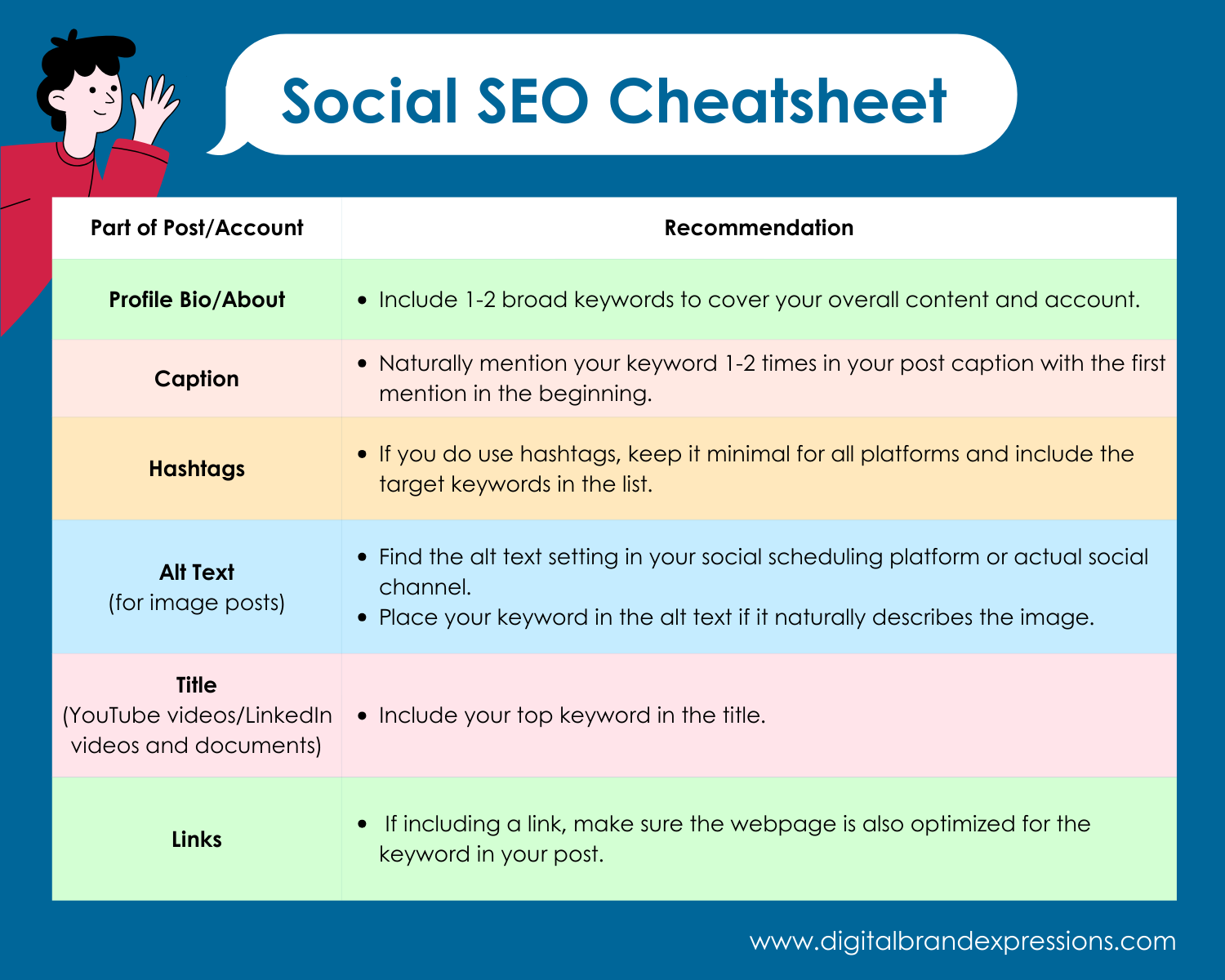
The technical bridge between a social profile and a website is stronger than it was just a few years earlier. In 2026, structured information and schema markup are utilized to clearly tell search engines which social profiles come from which site. This helps in building a clear brand name entity in the Knowledge Chart. When an online search engine can confidently link a popular social account to a particular domain, the authority of the social account starts to bleed over into the search rankings.Metadata likewise plays a significant role in this combination. Using Open Chart tags and Twitter cards guarantees that when material is shared, it looks professional and motivates clicks. This is not simply about looks. It is about controlling how a brand exists in different environments. If a link shared from a site looks damaged or lacks a clear description, it will not get the engagement required to send out those positive signals back to the search engine. Success in competitive markets requires a concentrate on Wikipedia Research as part of a broader visibility strategy. By making sure the technical foundation is strong, a brand name can optimize the effect of every share and like it gets.
Social Discovery vs. Traditional Browse Intent
The way people discover info has branched off. While lots of still start with a search box, a growing number of users in 2026 use social networks search bars as their main tool for discovery. This is especially real for visual services or products where seeing the outcome is more vital than reading about it. Browse engines have actually adapted by including social networks posts, videos, and images straight in the standard search results pages. This indicates a well-optimized social post can outrank a standard article for particular keywords.Understanding user intent in this context is crucial. Someone searching on social media may be looking for inspiration or a fast response, whereas somebody on an online search engine might be trying to find a deep dive or a purchase. A wise technique addresses both. By creating content that works well in a social feed-- brief, punchy, and visual-- while likewise supplying a comprehensive version on the main website, a brand can catch traffic from both sources. This dual-threat approach makes sure that the brand is present wherever the user selects to start their search.
The Impact of Social Network on Content Longevity
One of the biggest obstacles in digital marketing is the short life-span of content. A post can be buried in hours, and a post can be forgotten in weeks. The crossway of social and SEO helps solve this. Social network supplies a way to recirculate older material, bringing it back to the attention of both users and search engines. When an old post gets a fresh wave of shares, search engines typically take notification and might re-evaluate the page's ranking based on its renewed relevance.This "second life" for material is a crucial part of keeping a strong online presence in 2026. Rather of continuously churning out brand-new product, successful techniques involve updating and resharing existing possessions. This strengthens the authority of those pages. When a page has a history of constant social engagement over a number of years, it ends up being a pillar of the site's SEO method. It shows that the info is not just a pattern but an important resource that continues to help people long after its preliminary publication date.
Measuring Success in a Unified Digital Strategy
Tracking the success of social-SEO integration needs taking a look at data from several angles. It is no longer sufficient to track keyword rankings in isolation. Marketers now look at "social share of voice" and "brand name mentions" together with standard metrics like natural traffic and bounce rate. These metrics supply a more total photo of how a brand is perceived in the market. If brand name searches increase after a significant social campaign, that is a clear indication that the social strategy is driving search behavior.Data in 2026 likewise allows for much better attribution. We can now see the course a user draws from seeing a social post to performing a search and finally making a conversion. This course typically involves several touchpoints across various platforms. By evaluating this journey, businesses can see precisely how their social efforts are supporting their search objectives. It typically ends up that social networks is the "help" that makes the final search conversion possible.
Future-Proofing Your Authority for the Late 2020s
As we look towards completion of the years, the combination between social and search will only deepen. Synthetic intelligence is currently being used to analyze the belief of social remarks and use that as a ranking signal. Brands that resemble and appreciated on social media will have a natural advantage in search outcomes. The focus is shifting far from technical techniques and toward genuine human connection.To stay ahead, the technique needs to remain flexible. What works on one social platform today may change by next year, however the core principle remains the exact same: provide value and encourage engagement. By dealing with social networks as an extension of the website's authority, rather than a separate silo, a brand can develop a resilient digital existence. This unified technique is the only way to browse the complexities of the 2026 search environment and beyond, guaranteeing that the brand remains noticeable, reliable, and authoritative in an increasingly crowded online world.
The Function of Video and Visual Media in Authority Structure
Video content has actually become the dominant force on social networks, and its influence on SEO is indisputable. In 2026, search engines are highly competent at "reading" video content, recognizing crucial minutes, and even transcribing audio to comprehend the context. A video that performs well on social platforms is regularly rewarded with a prominent area in search engine result. This is because video is a high-signal medium-- it needs more effort to produce and usually shows a greater level of authority and investment in the topic.For those concentrating on specialized industry knowledge, video provides a way to demonstrate expertise that text can not match. Seeing an individual describe a complex topic or show a process in real-time builds a level of trust that is important for conversion. When these videos are shared, they produce effective social signals that tell online search engine the content is worth promoting. Incorporating video into both social and search methods is no longer optional; it is a requirement for anyone looking to maintain an one-upmanship in 2026.
Last Ideas on Integrated Method
The crossway of social networks and SEO is where the most effective digital marketing takes place today. It is a space where imagination meets data, and where brand name character fulfills technical precision. By concentrating on how these two worlds influence each other, a brand can build an authority that is both broad and deep. This doesn't just suggest more traffic; it implies much better traffic-- users who currently rely on the brand name because they have seen it thrive in their social circles and in their search results page. Keeping this balance is the crucial to long-term success in the digital age.