Crafting the Perfect Distribution Mix for 2026 Growth

By mid-2026, the wall in between social media activity and search engine results has actually nearly dissolved. Search engines no longer treat a tweet, a post, or a video share as a separated event. Instead, these interactions work as recognition points for a brand name's presence in the digital world. When a business in a local market sees a spike in social engagement, search spiders detect the increased brand name mentions and traffic patterns. This connection suggests that social combination is no longer a secondary job but a core component of search presence.
Improving Discovery via Social Platforms in regional markets
Search algorithms in 2026 focus heavily on what many call entity-based search. This implies the algorithm attempts to comprehend the identity and track record of an organization instead of simply matching keywords on a page. Social signals provide the evidence that a business is active and respected by real individuals. Regular points out on social platforms help establish this identity, especially when those mentions come from varied sources within the surrounding region.
One way this manifests is through material velocity. When brand-new posts or product pages are shared extensively throughout social networks, online search engine frequently find and index that material much faster. The immediate influx of visitors signals that the material has immediate value. This is particularly reliable for companies focusing on Asia Virtual Solutions Video because it develops a trail of data that AI-driven search bots can follow in real-time. In 2026, the speed of indexing can be the distinction in between recording a pattern or missing it entirely.
Social signals also function as a filter for quality. Online search engine have become more adept at recognizing bot traffic versus authentic human interaction. Top quality shares and remarks from confirmed accounts carry more weight than countless automated likes. For a regional service company in the area, having a neighborhood that discusses their deal with social platforms supplies a level of confirmation that on-page SEO can not duplicate. This social proof assists develop a layer of authority that online search engine use to rank one company over another in competitive local results.
Structure Trust through Social Proof in local neighborhoods
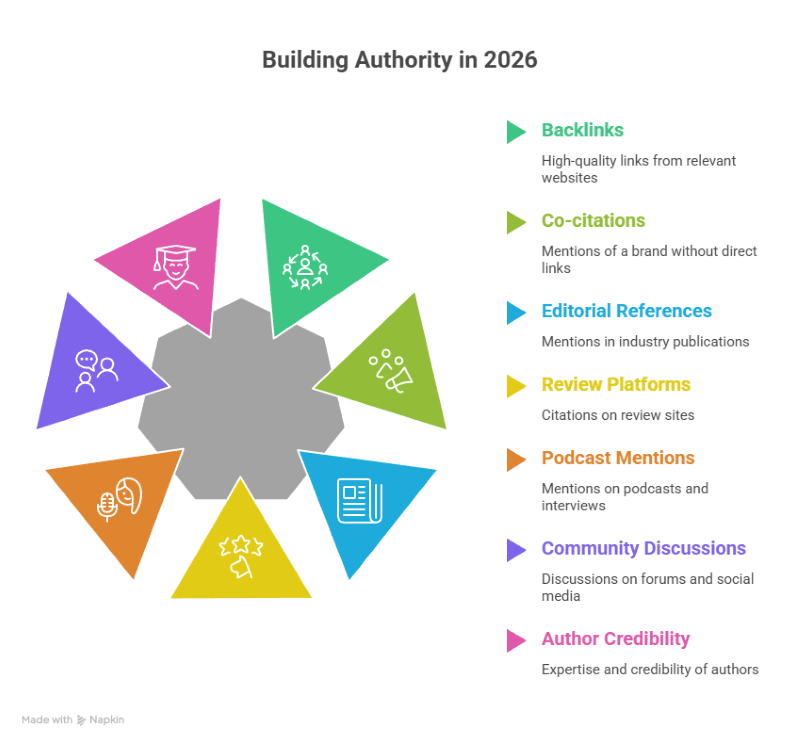
Online search engine now look at the authority of the individuals sharing material. If market leaders or regional influencers in the local area talk about a brand, that brand name acquires an increase in credibility. This becomes part of the E-E-A-T (Experience, Expertise, Authoritativeness, and Credibility) criteria that has controlled search standards through 2026. Social platforms are the primary places where experience and knowledge are displayed to the general public.
Consistent activity on social profiles likewise assists in declaring more "property" on the search engine result page. When somebody searches for a specific brand in a nearby town, their social media profiles frequently appear together with their primary website. This provides numerous entry points for a prospective consumer and enables the brand name to manage the message throughout different formats. A well-kept social presence makes sure that the details searchers see is current, which is a major consider user trust.
The link in between social media and search is not constantly a direct one-to-one ranking element, however the indirect results are indisputable. Brand name awareness leads to more branded searches-- where people type the name of the service directly into a search bar. This is among the greatest signals a company can send to a search engine. Business that put effort into Asia Virtual Solutions Video find that their organic search traffic frequently grows in tandem with their social following. The two channels feed into each other, developing a cycle of exposure that is difficult to break once established.
Adapting to User Search Routines in 2026
The method people find info has changed. Many more youthful users in the local community now utilize social platforms as their main search engines. They might search for a dining establishment or a provider on a video-sharing app before they ever go to a standard search engine. Search business have actually reacted to this shift by incorporating social content straight into their results. It prevails in 2026 to see a row of social videos or current posts right in the middle of a basic search engine result page.
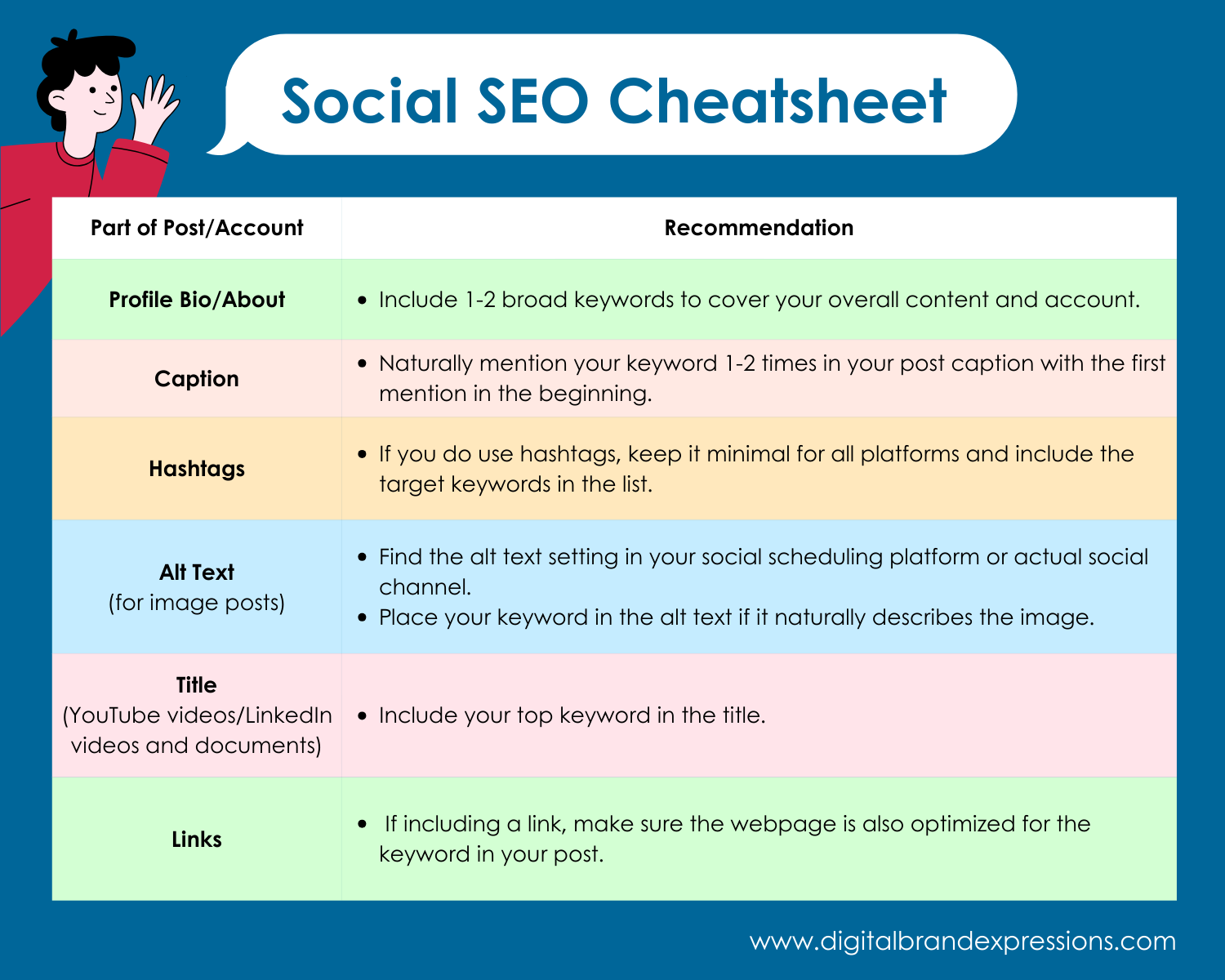
This integration indicates that the material developed for social media must be enhanced for search too. Utilizing relevant keywords in captions, using place tags for the local region, and guaranteeing that profile bios are detailed are all essential actions. When social material is optimized, it has a much better opportunity of appearing in these hybrid search results, capturing the attention of users who might not have discovered the primary site otherwise.
Regional services in the region benefit greatly from this due to the fact that social platforms are naturally local. Tagging a specific neighborhood or a local event assists online search engine associate business with that particular geographic area. This geographic relevance is a crucial part of how online search engine determine which results to show to a user who is searching on the go. The data collected from social check-ins and location-tagged posts offers a map of importance that standard websites frequently lack.
The Function of Material Quality and Social Sharing
In 2026, the phrase "content is king" has evolved to mean "sharable content is king." Online search engine focus on pages that people in fact hang around on and engage with. If a link is clicked a social platform and the user immediately leaves the site, that unfavorable signal can harm search standings. Conversely, if a link from a social post results in a long session on a site, search engines view that as a vote of confidence in the site's quality.
Concentrating on the user experience is critical. Content should be simple to check out on mobile phones, as the large majority of social traffic originates from smart devices in any urban area. If a website is slow or challenging to navigate, the social signals will not equate into search gains. The synergy between a quickly, handy website and an active social media existence creates an effective foundation for long-lasting growth.
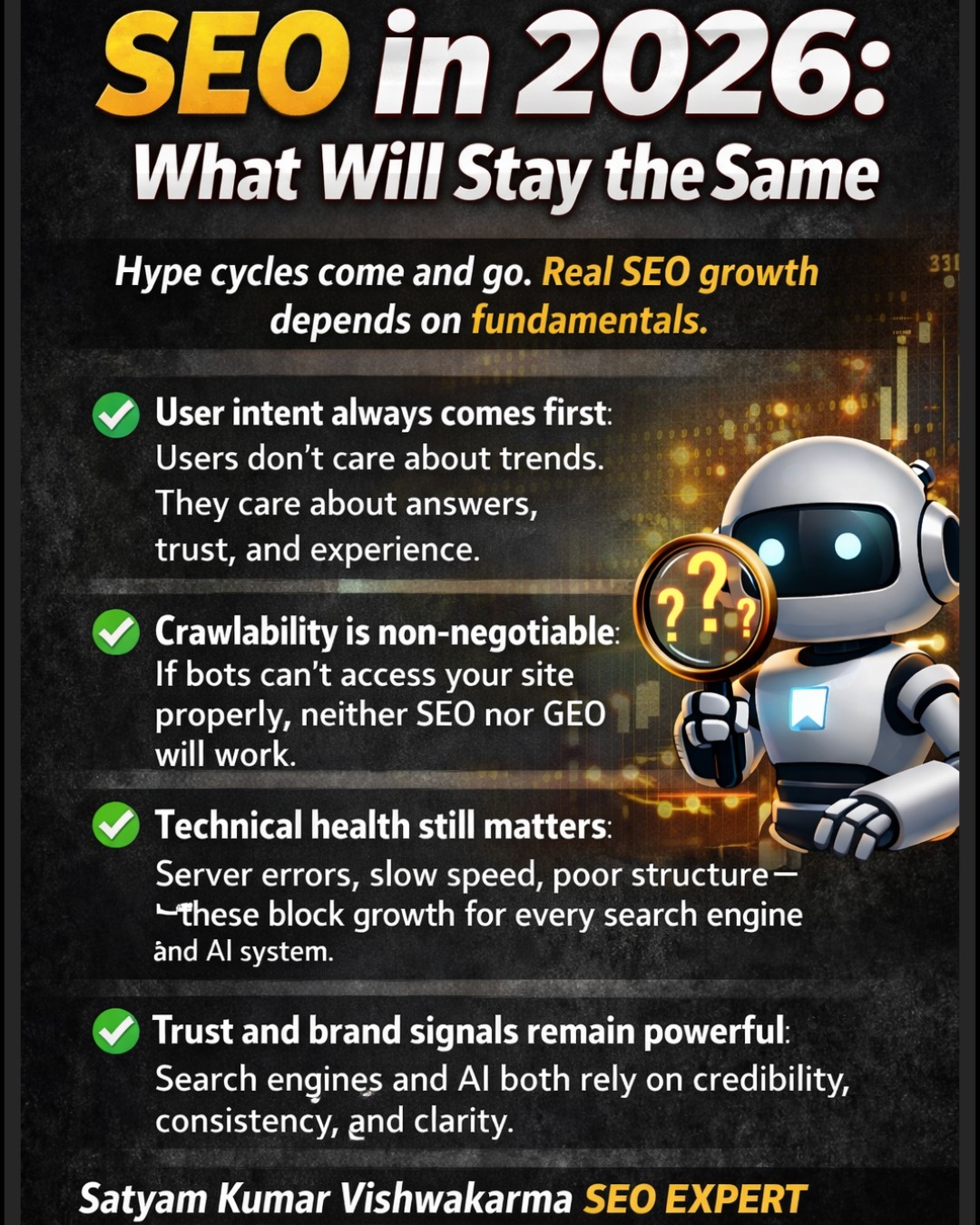
The interaction between these two worlds is constant. Every comment, share, and brand name reference contributes to a bigger profile of the business. By maintaining a concentrate on premium interactions instead of just high-volume publishing, brands can ensure they are sending out the right messages to both their audience and the online search engine. In the competitive environment of 2026, utilizing social signals efficiently is the key to remaining visible and appropriate in a progressively congested digital space.
Effective techniques typically involve monitoring which kinds of social content drive the most browse interest. If a particular subject generates a lot of conversation in the surrounding suburbs, it may be time to create a more detailed guide on the main website to catch that interest through organic search. This data-led technique enables organizations to be proactive instead of reactive, placing them as leaders in their particular fields.